
Modern Game Theory & Personal Injury Mediation, Part II: Dynamic Strategy and Information Flow
Andrew Winston, Esq.
Florida Supreme Court Certified Circuit Court Mediator
Florida Supreme Court Qualified Arbitrator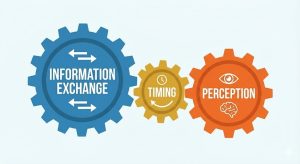
In the first part of this series, we explored how modern game theory can illuminate the strategic dynamics of personal injury mediation. This follow-up takes the next step—examining how these concepts function dynamically, as strategies evolve through information exchange, perception, and timing.
Unlike a single-move negotiation, personal injury mediation unfolds as an ongoing strategic conversation. Each decision—whether to lower a demand, make a conditional offer, or reveal key evidence—reshapes the negotiation landscape. Game theory describes this as sequential play, where each move alters the decision tree for the other party. A mediator who recognizes these shifts can adjust tone, pacing, and structure to maintain momentum toward resolution.
Reputation dynamics also play a powerful role. Plaintiffs’ counsel, insurance adjusters, and mediators themselves bring reputational signals into every negotiation. Whether a carrier is known for reasonable settlements or a mediator for assertive evaluation, those reputations help set expectations before discussions even begin. Understanding and consciously using these reputational patterns can subtly influence how both sides engage.
Information asymmetry—a recurring challenge in complex cases—can become a tool rather than an obstacle. Mediators can encourage signaling and screening behavior: strategic disclosures or testing exchanges that clarify the strength and credibility of claims. For example, a timely release of expert medical records or wage documentation can serve as a credible signal, shifting perceived value and prompting productive reevaluation of offers.
In multi-session or staged negotiations, trust and cooperation accumulate through repeated interaction. This mirrors iterated games, where early cooperative moves build incentives to sustain collaboration. Structuring mediation in phases—for example, addressing liability then damages—can help translate small agreements into broader consensus.
Finally, bounded rationality reminds us that real-world players rarely make perfect decisions. Cognitive bias, emotional fatigue, and risk perception distort pure rational analysis. The mediator effectively serves as the “decision support system,” reframing terms in risk-based language and encouraging parties to assess expected outcomes logically rather than reactively.
Incorporating these advanced game theory insights makes mediation not just a process of compromise, but a structured, data-informed path to resolution. By treating each negotiation as a dynamic, evolving game, mediators and advocates alike can better anticipate behavior, manage uncertainty, and guide cases toward durable, mutually beneficial outcomes.
If you found this perspective helpful, stay tuned for the next installment in this series, where we’ll explore behavioral game theory and how psychological decision-making biases can be understood—and leveraged—to improve settlement dynamics in mediation.